
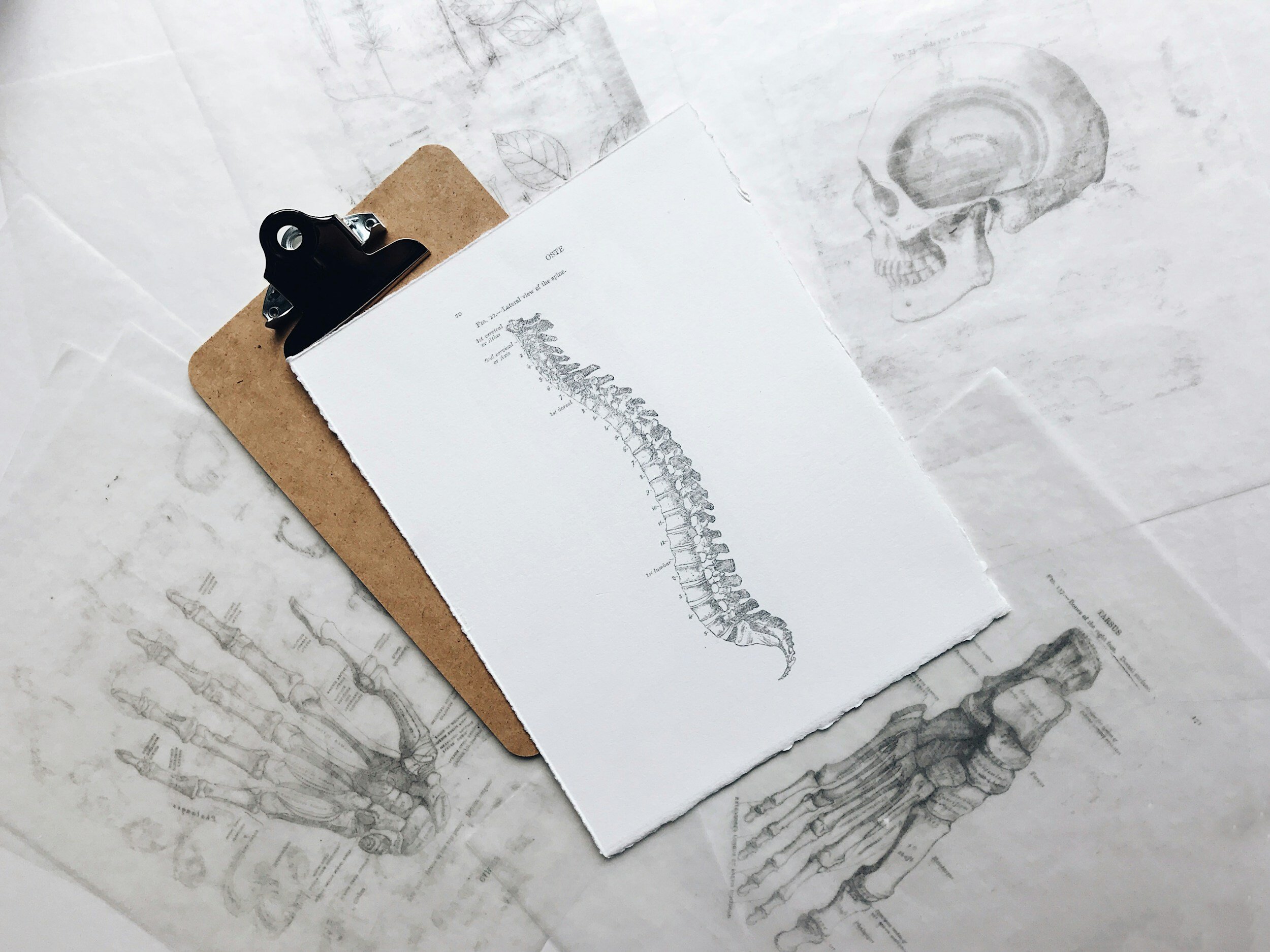

Snow Shoveling Pain: A Guide to Injury Prevention & Recovery
Shoveling can be a great form of exercise but comes with a high risk of injury. Our chiropractors break down the movement of shoveling and how to reduce your risk of injury.
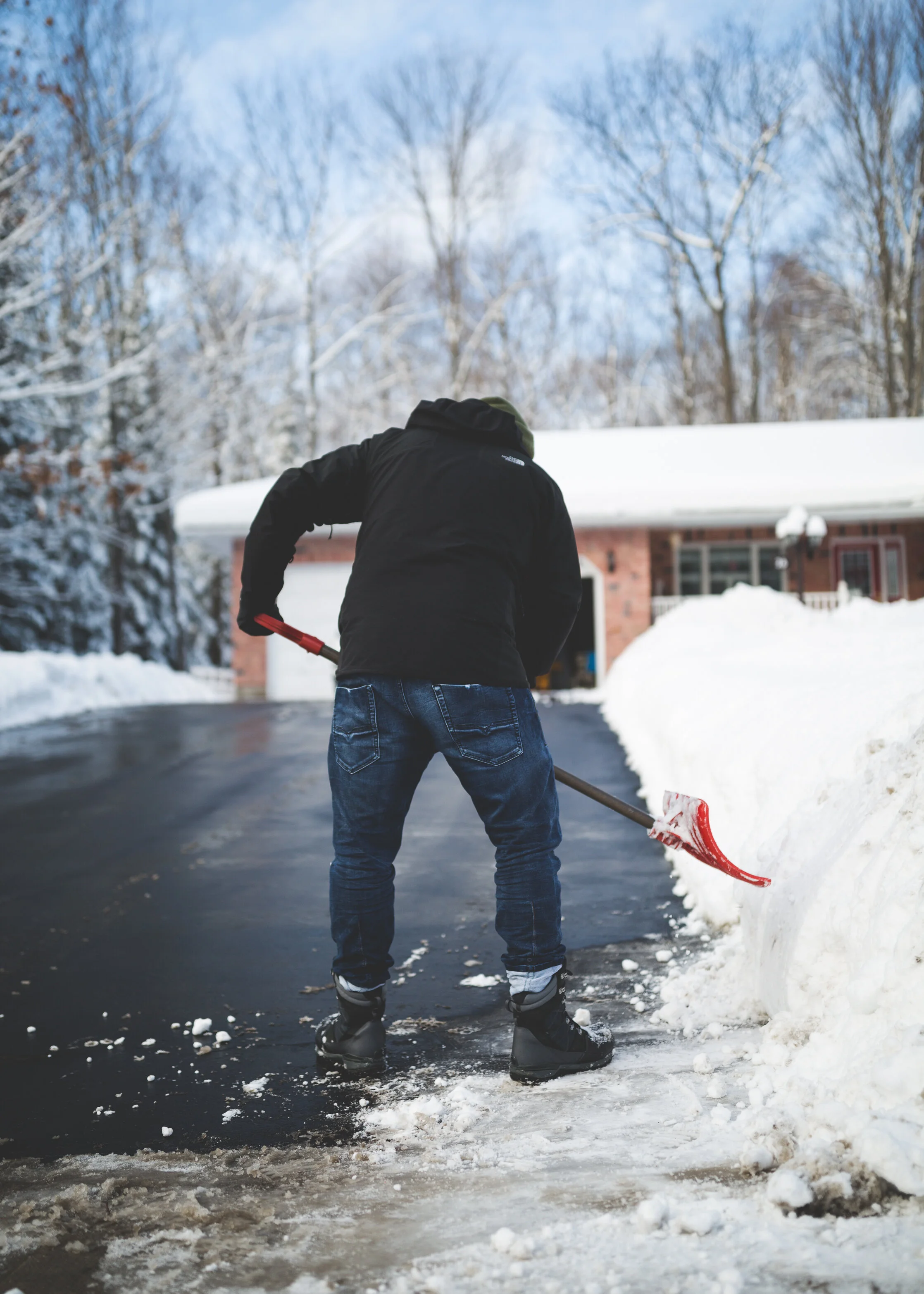
Did you know that about 56% of snow related trips to an emergency room are sprains and strains? Since we are experts in sprain/strain injuries, we thought we would give you a couple exercises to help with the soreness and pain from shoveling.
Before we get into the stretches, let’s first examine the complex movement of shoveling. Shoveling is a combination of squatting, lunging, bending, lifting, pulling and twisting all packed together. When performed with proper body awareness, shoveling can be a great workout. However, shoveling is typically performed more as a chore over a long duration with little breaks. As you get tired, your movement patterns begin to break down and you become more susceptible to injury. Movements like bending at the spine, twisting too quickly and holding the shovel too far away from the body can often lead to muscle strains.
Hip Flexor Stretch
Our first exercise is a hip flexor stretch. To perform start in a half kneeling position as pictured below. Squeeze your glutes and shift forward slightly without extending at your low back. You should feel a stretch in the front of the hip and thigh. You can increase this stretch by reaching the arm of the knee that is on the ground overhead. Hold for 10-20 seconds and perform 3 repetitions on each side.


Standing Extension Stretch
Our second exercise is a standing extension stretch. First, stand near a wall with the elbows bent to 90 degrees. Move toward the wall until the finger tips touch the wall. Place hands shoulder height like you would perform a pushup. Slowly extend your spine and head in a gentle wave like motion. Take this movement slowly and try to increase range of motion as you go. Perform 2 sets of 10 repetitions


Upper Extremity Stretch
Our last exercise is a biceps and forearm stretch at the wall. To start, place your palm on the wall with the thumb up with a slight bend at the elbow. Slowly attempt to straighten the elbow and turn your body away from the wall. This can sometimes be an intense stretch so perform as tolerated. Try holding for 10-30 seconds 3 times on each arm.


We hope you find these exercises helpful during the upcoming winter! Please remember these exercises should not be used to treat or evaluate any injuries. They should also not cause you any increase in symptoms. If you have any questions, please contact our office. And for more information, check out our video.

Heat or Cold?
Should I use heat or ice? This question has plagued athletes and worried parents for decades. This article from our Saratoga chiropractors may help solve the mystery.
The heat or ice debate seems to be one of the hottest topics in sports medicine and is certainly a widely used treatment in our chiropractic office. So which one is right for you? That depends on a multitude of things.
HEAT

Heat can be applied in a number of ways. In our Saratoga chiropractic office, we use a system that submerges packs filled with clay in a hot water bath. Once applied to the patient, this can stay warm for up to 45 minutes. The other benefit is the moist heat does not dry out the tissue like an electric hot pack would. But moist hot packs are not the only way to achieve a heating effect. Ultrasound and diathermy use sound waves and electrical currents, respectively, to vibrate the tissue and create heat. But you don’t need expensive equipment. A hot tub or hot shower can give you a similar response.
What does heat do?
Heat dilates blood vessels, increases circulation, and relaxes muscles. By improving circulation, new blood cells will enter the tissue, bind to lactic acid and other waste products of injury and carry them away. Think of this is “rinsing out the muscle”.
When do I use heat?
Heat should be used 48 hours after an acute injury or for any chronic injury that has lasted longer than a few weeks. We discourage patients from using heat for an acute injury as the body with naturally increase blood flow to that area and too much can cause increased bruising and a longer recovery.
COLD

Just like heat, cold can be applied in a number of ways. In our Saratoga chiropractic office we use cold packs that are stored in the freezer and place a sheet of face paper between the ice pack and the patient’s bare skin. This prevents any burning from direct contact on the superficial cells that don’t have as much of a blood supply. There are other ways to achieve cold therapy such as an ice bath or cryotherapy. Cryotherapy has gotten some great publicity lately for helping with metabolism and chronic injury but make sure you are properly equipped as there have been accounts of people getting burned from the extreme temperature.
What does cold do?
Cold essentially does the opposite of heat. It constricts blood vessels, reduces blood flow, and can reduce pain. When you experience an injury the body’s natural response is to increase blood flow. Blood contains the ingredients to heal the tissue. Sometimes too much of a good thing is not a good thing. Injury is one of those cases. To help people recover faster, our chiropractors need to be able to control the swelling response and cold can help with that.
When do I use cold?
Cold should be used immediately after an injury for up to 48 hours. The best way to get the most out of cold application after an injury is to move the area a little after you are finished icing. For example, if you sprain your ankle, ice it for 20 minutes then move your toes and ankle a little to prevent stiffness. At Turning Point Chiropractic we use a number of soft tissue techniques that can cause local inflammation as part of the healing process. If patient’s are sore from those treatments, ice would be a great way to calm the symptoms.
If you have suffered an injury or have any questions about whether to use heat or ice, give our office a call to set up an appointment. Our qualified chiropractors have treated thousands of patients dealing with both chronic and acute injuries and can evaluate what treatment option will be best for you.