

What's Your Turning Point?
Saratoga Chiropractic office, Turning Point Chiropractic, takes a unique patient-centered approach to help you tackle whatever stands in the way of a healthy and happy lifestyle.
Have you ever dealt with a problem you knew had a simple solution and all you had to do was find the best person to help you? Patients come into Turning Point Chiropractic in Saratoga Springs daily saying they thought they were never going to get better. Others say they felt like they had to settle for their “new normal” of low-grade pain or discomfort or knew they would never be able to (insert activity here) again. Sometimes all you need is a little help.

Turning Point Chiropractic was opened in October 2011 by Dr. Adam Favro with the vision of providing a service to seek out the epicenter of a patients symptoms and take a comprehensive approach to care. No big healthcare system to navigate. No referrals needed. Quality time with a doctor who has extensive experience and knowledge of the human body and how to fix it.
At Turning Point Chiropractic, the doctors have additional training in diagnostics, radiology, biomechanics, rehabilitation, strength training, sports performance, and more. Our chiropractors are not only equipped to accurately diagnose your symptoms but create a treatment plan that helps you get out of pain faster and stay healthy longer.
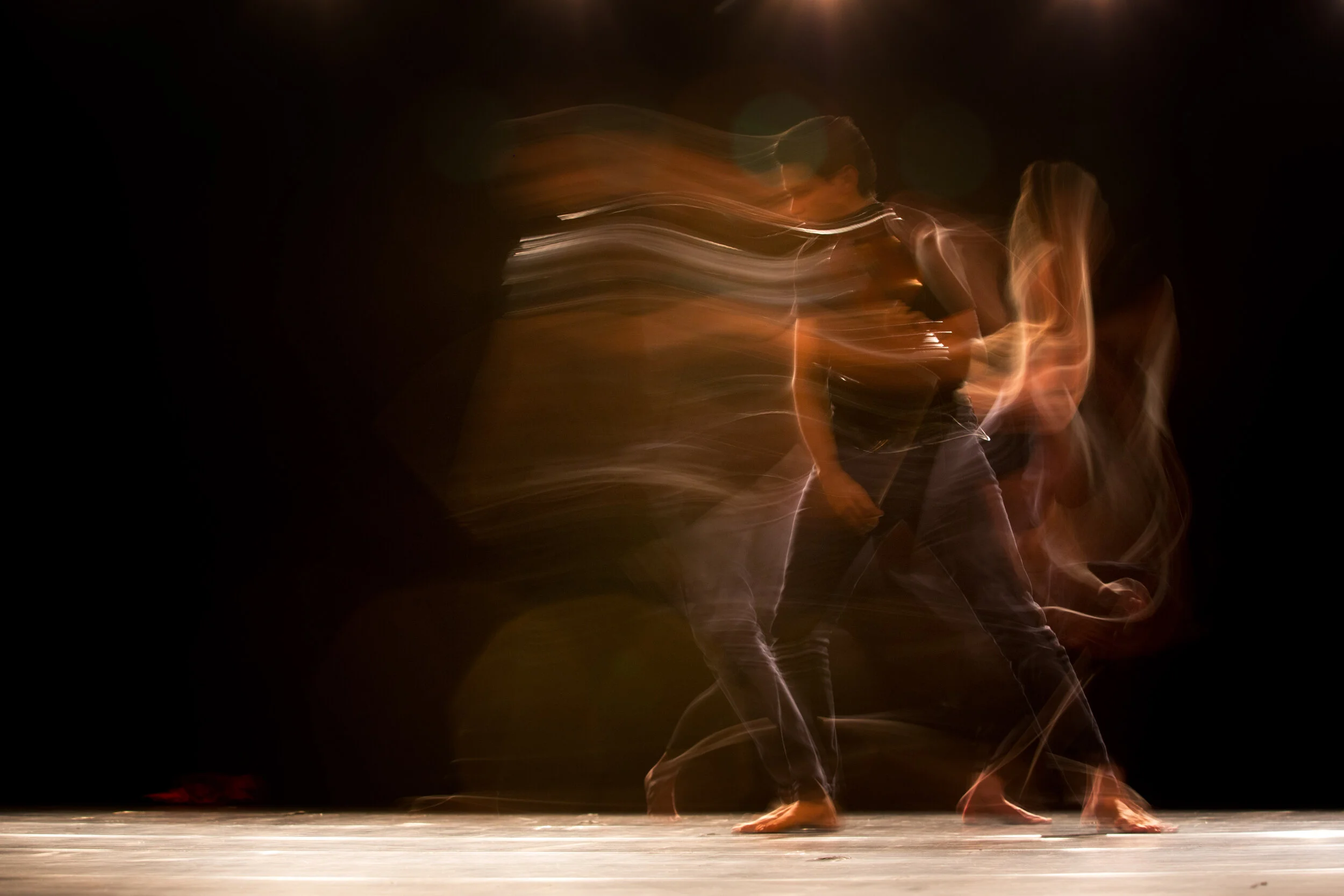
Our chiropractors believe at the heart of every treatment plan is movement. The more you move, the better you feel. The better you feel the more you move. You didn’t get hurt by just sitting there so why should your treatment be you just sitting there? We don’t know either. When you come to Turning Point Chiropractic your exam will include movement assessments, your treatment will involve movement and your homework will be to move.
For too long the healthcare system has not encourage patients to be active in their own treatment, give feedback on how they feel, and take control of the progress. When patients and doctors are invested in a goal to not only help you feel better but improve the way you live, great things happen. That is what we believe in. That is the Turning Point!
For a free consultation with our doctors and to learn more about the Turning Point Chiropractic treatment system, call us at (518) 584-9500 or click here.

Three Exercises for Better Posture
Assessing good posture or bad posture can be a challenge for even the most skilled provider. At Turning Point Chiropractic we strive to keep people moving in a healthy and safe way. So whether you think you have good or bad posture this article is sure to give you some more information on how to improve it.
If you are like most people, you sit the majority of your day. Whether it’s driving to work, driving for work, sitting at work or relaxing on the couch after a long day of work, sitting has become part of our life. Unfortunately, so has poor posture. Forward head carriage, rounded shoulder, and a slouching position can lead to long term health effects like chronic headaches, degenerative joint changes, and muscle strain. So sit up straight, relax your shoulders, and learn three new exercises to help improve your posture.
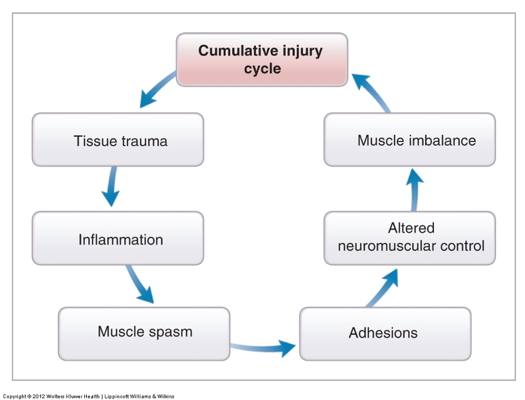
Proper posture can be defined as “the state of muscular and skeletal balance that protects the supporting structures of the body against injury”. Two important concepts to take from this definition are balance and protection. Our joints, ligaments, tendons, muscles, and fascia are designed to work a certain way. When we put them in an optimal position this serves as protection to repetitive strain or even traumatic events. Our body is also highly adaptable, but if we continuously stress the tissues in a way that they weren’t intended, we tend to fall into an injury cycle.
This week we are excited to share 3 of our favorite exercises to avoid the aches and pains that come with non-optimal posture.
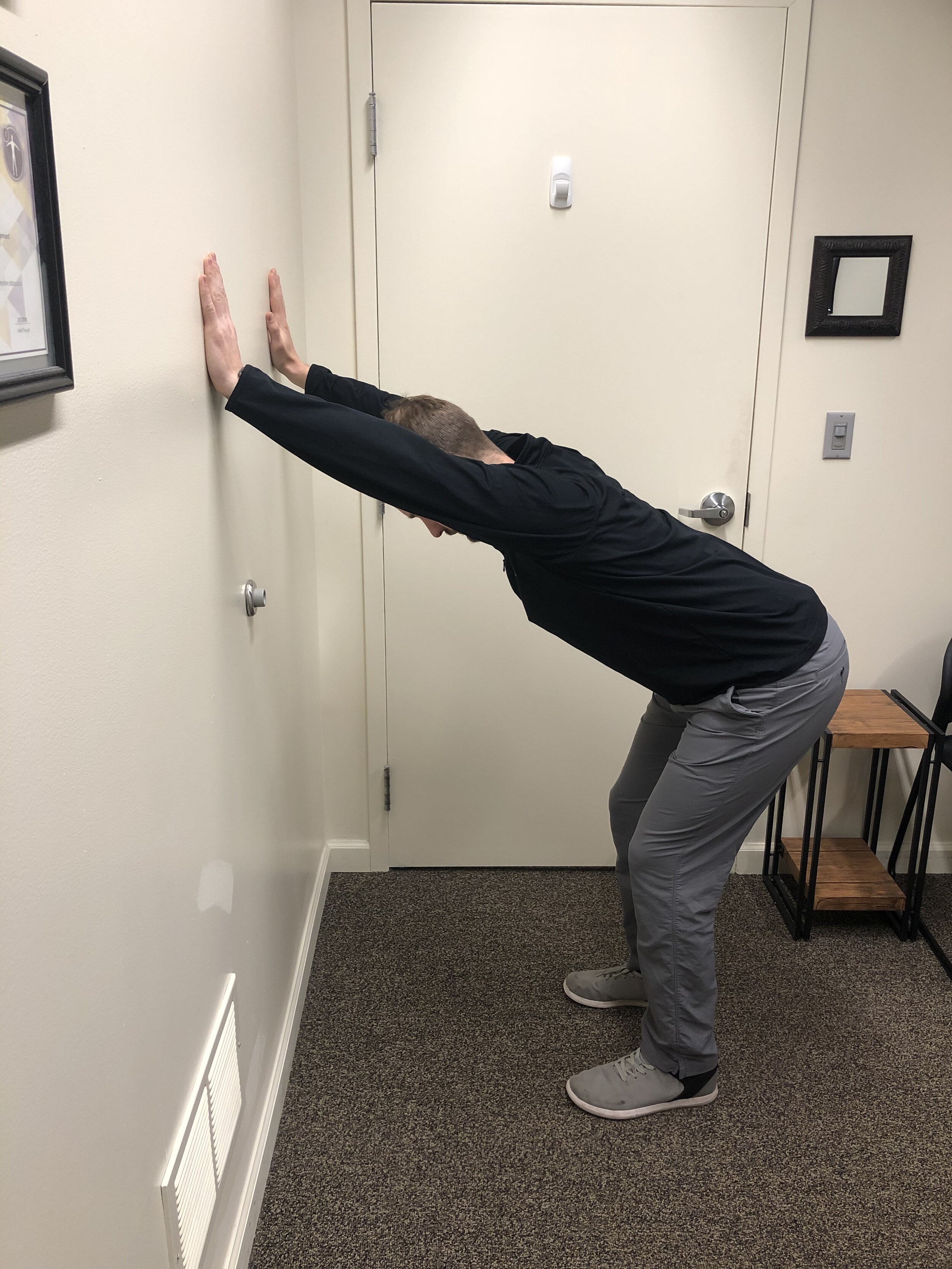
Thoracic Wall Extension
The first exercise is a great way to stretch out the front of our shoulders and create some extension in our mid-back. To perform, find a wall and stand an arms length away from the wall. Extend the arms so there is very little to no bend in the elbows with the fingers pointing up. Slowly push your hips back and let your upper body fall between the arms, keeping the head in a neutral position. Hold for about 3 seconds and perform 10 repetitions.

2. Chin Tucks
Our second exercise is to put the head in a better position. For every inch forward your ears go past your shoulders it adds an extra 10-12 lbs that the muscles of the upper neck and back need to support. No wonder so many people carry tension in this area! This exercise can be performed sitting or standing. To perform, attempt to pull your chin back toward your spine. Try to avoid looking down when performing this exercise. Imagine your chin is on a table and you are sliding it back. Hold for 2 seconds and perform 10 repetitions. You know you are doing it right if you give yourself a double chin.


3. Modified Brügger
Our last exercise is to strengthen muscles around our shoulder blades. This exercise can also be performed sitting or standing. Start by obtaining a neutral head position by performing a chin tuck. Next, lightly pull your shoulder blades down and back (try not to shrug). With the elbows bent and palms up, rotate your hands outward. You should feel the muscles around your shoulder blades working if you are performing this correctly. Hold for 2 seconds and perform 10 repetitions.


In the office we tell patients the best posture is the next one. In other words, keep moving! That being said, we realize there are days and time where you must sit for long periods. Try the exercises above and check out our YouTube video for more exercises and stretches to help improve your posture!

Snow Shoveling Pain: A Guide to Injury Prevention & Recovery
Shoveling can be a great form of exercise but comes with a high risk of injury. Our chiropractors break down the movement of shoveling and how to reduce your risk of injury.

Did you know that about 56% of snow related trips to an emergency room are sprains and strains? Since we are experts in sprain/strain injuries, we thought we would give you a couple exercises to help with the soreness and pain from shoveling.
Before we get into the stretches, let’s first examine the complex movement of shoveling. Shoveling is a combination of squatting, lunging, bending, lifting, pulling and twisting all packed together. When performed with proper body awareness, shoveling can be a great workout. However, shoveling is typically performed more as a chore over a long duration with little breaks. As you get tired, your movement patterns begin to break down and you become more susceptible to injury. Movements like bending at the spine, twisting too quickly and holding the shovel too far away from the body can often lead to muscle strains.
Hip Flexor Stretch
Our first exercise is a hip flexor stretch. To perform start in a half kneeling position as pictured below. Squeeze your glutes and shift forward slightly without extending at your low back. You should feel a stretch in the front of the hip and thigh. You can increase this stretch by reaching the arm of the knee that is on the ground overhead. Hold for 10-20 seconds and perform 3 repetitions on each side.


Standing Extension Stretch
Our second exercise is a standing extension stretch. First, stand near a wall with the elbows bent to 90 degrees. Move toward the wall until the finger tips touch the wall. Place hands shoulder height like you would perform a pushup. Slowly extend your spine and head in a gentle wave like motion. Take this movement slowly and try to increase range of motion as you go. Perform 2 sets of 10 repetitions


Upper Extremity Stretch
Our last exercise is a biceps and forearm stretch at the wall. To start, place your palm on the wall with the thumb up with a slight bend at the elbow. Slowly attempt to straighten the elbow and turn your body away from the wall. This can sometimes be an intense stretch so perform as tolerated. Try holding for 10-30 seconds 3 times on each arm.


We hope you find these exercises helpful during the upcoming winter! Please remember these exercises should not be used to treat or evaluate any injuries. They should also not cause you any increase in symptoms. If you have any questions, please contact our office. And for more information, check out our video.